Understanding the SHASHEL® Microwave Technology
The demand for effective pest control solutions has surged over the years, particularly in the realm of wood treatment. A leading innovator in this field is SHASHEL®, a company renowned for its cutting-edge microwave technology designed to eliminate wood-boring insects efficiently. By leveraging the power of microwaves, SHASHEL® offers a unique approach to pest control that not only eradicates pests but also ensures the integrity of the wood is maintained. When exploring options, SHASHEL® provides comprehensive insights into eco-friendly and chemical-free treatments that align with modern environmental standards.
What is SHASHEL® and How Does It Work?
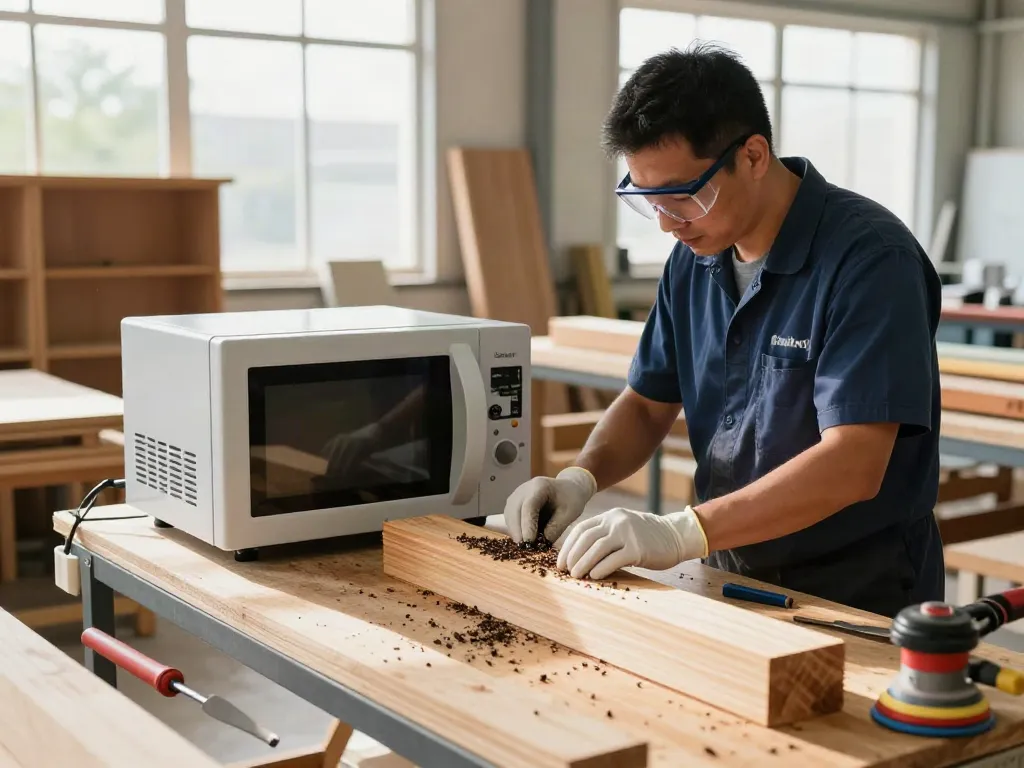
At its core, SHASHEL® utilizes advanced microwave technology that generates heat through electromagnetic waves. This method targets wood-boring insects such as woodworms, larvae, and eggs by raising the temperature of the wood to a level that is lethal to these pests without causing damage to the structure. The process is quick and efficient, making it an optimal choice for homeowners and professionals alike. Unlike traditional methods that often rely on harmful chemicals, SHASHEL® provides a solution that is safe for both humans and pets.
Benefits of Microwave Technology for Wood Treatment
- Rapid Elimination: The microwave treatment can effectively kill pests in a matter of minutes, significantly reducing the downtime associated with conventional pest control methods.
- Environmentally Friendly: SHASHEL®’s approach avoids the use of toxic chemicals, aligning with growing consumer demand for environmentally sustainable solutions.
- Deep Penetration: Microwaves can penetrate wood deeply, ensuring that even embedded pests are effectively targeted.
- Ease of Use: The equipment is designed for simple operation, allowing users with minimal experience to effectively manage pest issues.
Safety Features and Environmental Considerations
With increasing awareness of environmental issues, the safety features built into SHASHEL® devices are noteworthy. The technology ensures that no harmful residues are left behind, making it suitable for residential use. Furthermore, the process does not emit toxic fumes, creating a safer atmosphere in locations such as homes, warehouses, and food storage areas.
Effective Techniques for Total Elimination of Wood-Boring Insects
Achieving a thorough elimination of wood-boring insects using SHASHEL® technology requires understanding the correct preparation and operational techniques. This ensures that users maximize the effectiveness of the treatment while maintaining safety and efficiency throughout the process.
Preparation Steps Before Using SHASHEL®
- Assess the Infestation: Identify the areas where wood-boring insects are present. Look for signs such as frass (insect excrement), small holes, or visible larvae.
- Clear the Area: Remove any obstructions around the affected wood to allow the microwave device to access the surface easily.
- Inspect the Wood Type: Different types of wood may require different treatment settings, so it is essential to know what type of wood you are dealing with.
Detailed Steps for Using the Equipment
Once preparations are complete, using the SHASHEL® equipment is straightforward. Follow these steps to ensure effective treatment:
- Set Up the Device: Position the SHASHEL® microwave device in a stable location, ensuring that it is properly connected and configured according to the manufacturer's instructions.
- Calibrate Settings: Adjust the power and duration settings based on the type of wood and severity of the infestation.
- Initiate Treatment: Activate the device and monitor the temperature of the wood throughout the process to ensure effective pest eradication.
- Post-Treatment Inspection: After the treatment, inspect the wood for any remaining signs of infestation and repeat the process if necessary.
Common Mistakes to Avoid
- Skipping the Assessment: Failing to assess the infestation can lead to ineffective treatment, as not all areas may be targeted.
- Incorrect Settings: Using the wrong power or time settings could either harm the wood or under-treat the infestation.
- Neglecting Safety Protocols: Always adhere to safety guidelines to avoid any hazards associated with operating the microwave equipment.
Comparative Analysis: SHASHEL® vs. Traditional Pest Control Methods
Understanding how SHASHEL® compares to traditional pest control methods is crucial for making informed decisions. Below, we outline key aspects of cost, efficiency, and environmental impact.
Cost-Effectiveness and Efficiency Comparison
While traditional pest control often incurs costs for chemical treatments and repeated applications, SHASHEL® offers a one-time investment in technology that delivers rapid results. Customers report high levels of satisfaction due to the immediate effectiveness of the treatment, which often negates the need for ongoing pest management expenses.
Environmental Impact of Methods Considered
Traditional pest control methods can have detrimental effects on the environment due to chemical runoff and residue. In contrast, SHASHEL® prioritizes eco-friendliness by eliminating the need for chemicals, thus reducing its carbon footprint and promoting a healthier environment.
User Experiences and Testimonials
Many users have praised the SHASHEL® system for its effectiveness and ease of use. Testimonials indicate that homeowners notice significant differences within minutes of treatment, leading to improved satisfaction and trust in the technology. Several professionals in the pest control industry have also recognized the advantages of incorporating SHASHEL® into their standard practices.
Future Trends in Pest Control with SHASHEL® Innovations
The landscape of pest control is continuously evolving, and SHASHEL® is at the forefront of these innovations. Emerging technologies are set to redefine how we treat wood-boring insects.
Emerging Technologies in Wood Treatment
As technology advances, SHASHEL® is expected to innovate further by integrating smart features into its devices, allowing for real-time monitoring and adjustments based on infestation levels. This could lead to even more efficient and targeted pest control solutions in the future.
Predictions for Pest Control in 2026 and Beyond
By 2026, it's predicted that the industry will shift toward more automation and innovativeness in pest control methods. With increasing regulations on chemical use, solutions that are environmentally friendly, like those offered by SHASHEL®, will likely dominate the market.
How SHASHEL® is Paving the Path Forward
SHASHEL® continues to lead the way in microwave-based pest control technology, setting standards for safety and efficiency. Their commitment to user education and environmentally responsible practices ensures that they will remain a key player in the industry as it grows and evolves.
Frequently Asked Questions About SHASHEL®
As SHASHEL® gains popularity, many users have questions about its functionality and uses. Here are some common inquiries:
How long does the SHASHEL® treatment take?
The microwave treatment process typically takes only a few minutes, depending on the severity of the infestation and the type of wood being treated.
Is SHASHEL® equipment easy to use for beginners?
Yes, SHASHEL® has designed its equipment to be user-friendly, making it accessible even to those who may not have prior experience in pest control.
What types of wood-boring insects can SHASHEL® eliminate?
SHASHEL® effectively targets a wide range of wood-boring insects, including woodworms, powderpost beetles, and the larvae of various wood-destroying pests.
Can SHASHEL® be used for home and professional settings?
Absolutely! SHASHEL® devices are versatile and are suitable for both residential and commercial applications, providing effective pest control for any setting.
What maintenance does SHASHEL® equipment require?
Regular cleaning and periodic checks of the equipment are recommended to ensure its longevity and operational efficiency. This includes inspecting for any wear and tear that may affect performance.