Understanding Smart Sprinkler Technology
In an era where water conservation is paramount, homeowners and gardeners are turning to advanced irrigation solutions. Smart sprinkler systems embody this shift towards efficiency and sustainability. These innovative devices not only automate the watering process but also optimize water usage based on environmental conditions. As we explore the nuances of smart sprinkler technology, it’s essential to understand how these systems function and the myriad benefits they offer. When exploring options, smart sprinkler solutions can provide comprehensive insights for any garden or landscaping project.
What is a Smart Sprinkler System?
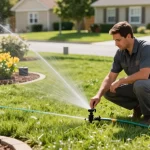
A smart sprinkler system is an advanced irrigation solution that uses technology to manage water distribution effectively. These systems are equipped with sensors, timers, and weather data integration that allows them to adjust watering schedules automatically. Unlike traditional sprinklers, which operate on a fixed schedule, smart systems tailor watering times and amounts based on real-time data, providing both convenience and efficiency.
How Smart Sprinklers Work for Efficient Water Use
Smart sprinklers work by utilizing various technologies to monitor environmental factors. They typically incorporate:
- Weather Sensors: These sensors detect rain, humidity, and temperature to adjust watering schedules accordingly. For instance, if rain is predicted, the system can postpone watering to conserve water.
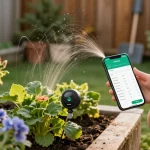
- Soil Moisture Sensors: These devices measure the moisture levels in the soil, ensuring that plants are watered only when necessary, thus preventing over-watering.
- Mobile Apps: Most smart sprinklers come with user-friendly apps that allow homeowners to control and monitor their systems remotely. This flexibility is crucial for those who travel or have busy schedules.
Benefits of Smart Sprinkler Systems in Modern Gardening
The advantages of smart sprinkler systems extend beyond mere convenience. Here are some of the key benefits:
- Water Conservation: By optimizing watering schedules based on real-time data, smart sprinklers can reduce water waste significantly.
- Healthier Plants: Tailored watering promotes stronger root systems and healthier plants, as they receive the right amount of moisture according to their specific needs.
- Time Savings: Once installed, these systems require minimal intervention, allowing homeowners to focus on other aspects of gardening.
- Cost Savings: Reduced water usage can lead to lower utility bills, making smart sprinklers a financially sound investment.
Key Features of Effective Smart Sprinklers
Comparing Wi-Fi Connectivity Options
Wi-Fi connectivity is a critical feature for modern smart sprinklers. Different models may offer varying levels of connectivity, which impacts how easily they integrate into your home network. Some systems allow for direct Wi-Fi connection, enabling easy app control, while others may require a hub or bridge to function effectively. When selecting a smart sprinkler, consider your home’s existing Wi-Fi infrastructure and the range required for reliable operation.
Integrating Moisture Sensors for Optimal Watering
Moisture sensors enhance the performance of smart sprinklers by providing accurate readings of soil conditions. This data allows sprinklers to execute watering schedules precisely when needed, reducing excess water usage. Some advanced models even allow homeowners to set specific moisture thresholds, ensuring the system never waters if the soil is already saturated.
User-Friendly Apps: What to Look For
Smart sprinkler apps should be intuitive and feature-rich. Look for functions such as:
- Easy Scheduling: The ability to set and adjust watering schedules easily.
- Real-time Notifications: Alerts for weather changes and system performance.
- Data Analytics: Insights into water usage and plant health based on historical data.
Installation and Setup: Step-by-Step Guide
Preparing Your Garden for Smart Irrigation
Before installing a smart sprinkler system, it’s essential to prepare your garden. Clear any debris, mark out zones for different plants, and ensure that your water supply is suitable for irrigation. Understanding the specific watering needs of various plants can also assist in configuring your system effectively.
Configuring Your Smart Sprinkler for Maximum Efficiency
Configuration typically involves the following steps:
- Install the Hardware: Follow the manufacturer’s instructions to set up the main unit and any additional sensors.
- Connect to Wi-Fi: Ensure seamless communication between your sprinkler system and your home network.
- Set Up the Mobile App: Download the companion app and link it to your smart sprinkler system.
- Adjust Settings: Input your preferences based on the garden’s layout, plant types, and local weather patterns.
Common Installation Mistakes and How to Avoid Them
Several common pitfalls can hinder effective smart sprinkler installation. To ensure smooth setup:
- Neglecting Zone Planning: Properly divide your garden into zones to ensure that each area receives the appropriate amount of water.
- Inadequate Wi-Fi Range: Confirm that your smart sprinkler is within the effective range of your Wi-Fi signal.
- Ignoring Local Weather Patterns: Utilize the app’s features to account for seasonal changes that could affect your watering needs.
Real-World Applications: Success Stories
Case Study: Smart Sprinkler Impact on Home Gardens
Many homeowners have reported significant benefits from switching to smart sprinklers. For example, one customer with a sprawling garden of over 2,200 square meters noted that their smart timer not only saved water but also improved the health of their indoor and outdoor plants. With 27 recently planted trees thriving under optimal moisture conditions, they were able to identify how much water was being consumed, leading to smarter watering practices.
Professional Landscapers’ Experiences with Smart Technology
Landscape professionals have embraced smart sprinklers, reporting that they can manage multiple clients’ gardens more efficiently. One landscaper shared how integrating moisture sensors allowed them to adjust watering schedules dynamically, improving plant health across diverse landscapes. This innovation has enabled them to save on both labor and water costs while enhancing their service offerings.
Customer Testimonials: Transforming Gardening with Smart Solutions
Customers across the board have praised the convenience and reliability of smart sprinkler systems. One user stated that they were “constantly worried about over or under watering,” but with their new system, they now feel at ease, knowing that their plants receive just the right amount of moisture. The simplicity of setup and the independence afforded by automation have transformed many gardening experiences.
Future Trends in Smart Irrigation Systems
Emerging Technologies for 2026 and Beyond
As technology advances, the future of smart irrigation looks promising. Innovations such as AI-driven analytics, which predict plant needs based on historical data and weather forecasts, are set to revolutionize how we approach gardening. Furthermore, advancements in sensor technology will offer even more precise readings, leading to further water conservation and enhanced plant health.
Predictions on Water Conservation and Smart Gardening
With ongoing concerns about water scarcity, the demand for efficient irrigation solutions like smart sprinklers will only increase. As these systems become more accessible and affordable, residential and commercial gardeners alike will likely adopt them widely, reinforcing their role in sustainable gardening practices.
How to Stay Informed About Smart Irrigation Innovations
To keep up with the latest in smart irrigation, gardeners should regularly consult industry journals, attend gardening expos, and engage with online communities focused on smart technology. Staying connected with brands and service providers also helps in understanding the evolving landscape of smart gardening solutions.
What Makes a Smart Sprinkler System Worthwhile?
A worthwhile smart sprinkler system combines functionality, ease of use, and compatibility with various devices. It should provide tailored solutions based on specific garden needs and integrate seamlessly with existing landscaping features. Ultimately, the best systems allow users to maintain their gardens effortlessly while conserving resources.
Are Smart Sprinklers Cost-Effective for Homeowners?
While the initial investment in smart sprinkler technology can be higher than traditional systems, the long-term savings from reduced water consumption and time saved in maintenance often make them a cost-effective choice for homeowners. Over time, many users find that their utility bills decrease significantly, justifying the upfront costs.
What Features Should I Prioritize When Choosing a Smart Sprinkler?
When selecting a smart sprinkler system, prioritize features such as:
- Weather integration capabilities
- Customizable watering schedules
- Mobile app functionality
- Soil moisture sensing technology
- Ease of installation and use
How do Smart Sprinklers Compare to Traditional Systems?
Smart sprinklers outperform traditional systems by offering tailored watering based on real-time data. While traditional systems rely on preset timers, smart systems adjust automatically, leading to better water management and healthier plants. This efficiency not only benefits the environment but also enhances the overall gardening experience.
What Maintenance is Required for Smart Sprinkler Systems?
Maintaining a smart sprinkler system generally involves regular checks of the hardware and sensors to ensure they are functioning correctly. Keeping the app updated and occasionally recalibrating soil moisture sensors also helps maintain system efficiency. Users should follow manufacturer recommendations regarding maintenance schedules for optimal performance.
When is the Best Time to Implement a Smart Sprinkler System?
The ideal time to implement a smart sprinkler system is at the beginning of the growing season or during major landscaping projects. Implementing the system before new plantings can help establish a robust watering routine that promotes healthy growth from the start.