The Evolution of Digital Banking Platforms
Digital banking has undergone a significant evolution over the past two decades, changing the way consumers interact with financial institutions. From traditional banking methods to advanced mobile banking platforms, the industry has adapted to meet the needs of a tech-savvy audience. In this transformation, one of the key developments has been the emergence of streamlined login processes, like the rokok88 login, which provides users with quick access to their accounts, ensuring convenience and efficiency in managing their finances.
Understanding the Rise of Online Banking
The rise of online banking can be traced back to the late 1990s, when financial institutions began to offer web-based services. Initially, these services were limited to basic functions such as checking balances and viewing transaction histories. However, as technology advanced and internet security improved, banks started to offer more comprehensive services, including online bill payment, fund transfers, and personal finance management tools. This shift allowed banks to reach customers in previously inaccessible markets, transforming banking from a physical to a digital experience.
Key Features of Modern Banking Solutions
- User-Friendly Interfaces: Modern banking apps focus on user experience, offering intuitive designs that make navigation effortless.
- Real-Time Transactions: Customers can now execute transactions in real-time, providing immediate confirmation and tracking.
- Advanced Security Measures: Two-factor authentication and biometric login features have become standard, ensuring customer data protection.
- Personal Financial Management Tools: Many banks provide tools that help customers budget, track spending, and set financial goals.
The Role of Security in User Authentication
As more consumers opt for online banking, security has emerged as a critical concern for financial institutions. User authentication processes have evolved to include multifactor authentication methods, biometric verification, and advanced encryption protocols. These measures are designed to protect sensitive information from cyber threats while ensuring a seamless user experience. The combination of robust security and user-friendly design is essential for maintaining customer trust in digital banking platforms.
User Experience in Banking Applications
As digital banking continues to grow, prioritizing user experience becomes essential for banks aiming to retain customers. The design of banking applications plays a pivotal role in how users interact with financial services. By focusing on usability, banks can enhance customer satisfaction and engagement.
Design Principles for Effective User Interfaces
Effective user interfaces (UIs) are vital for creating banking applications that resonate with users. Key design principles include:
- Simplicity: Avoid unnecessary elements that can complicate the interface; focus on essential features.
- Consistency: Maintain consistent branding and navigation patterns throughout the app to foster familiarity.
- Responsive Design: Ensure that applications function seamlessly across various devices and screen sizes.
Streamlining the rokok88 login Process
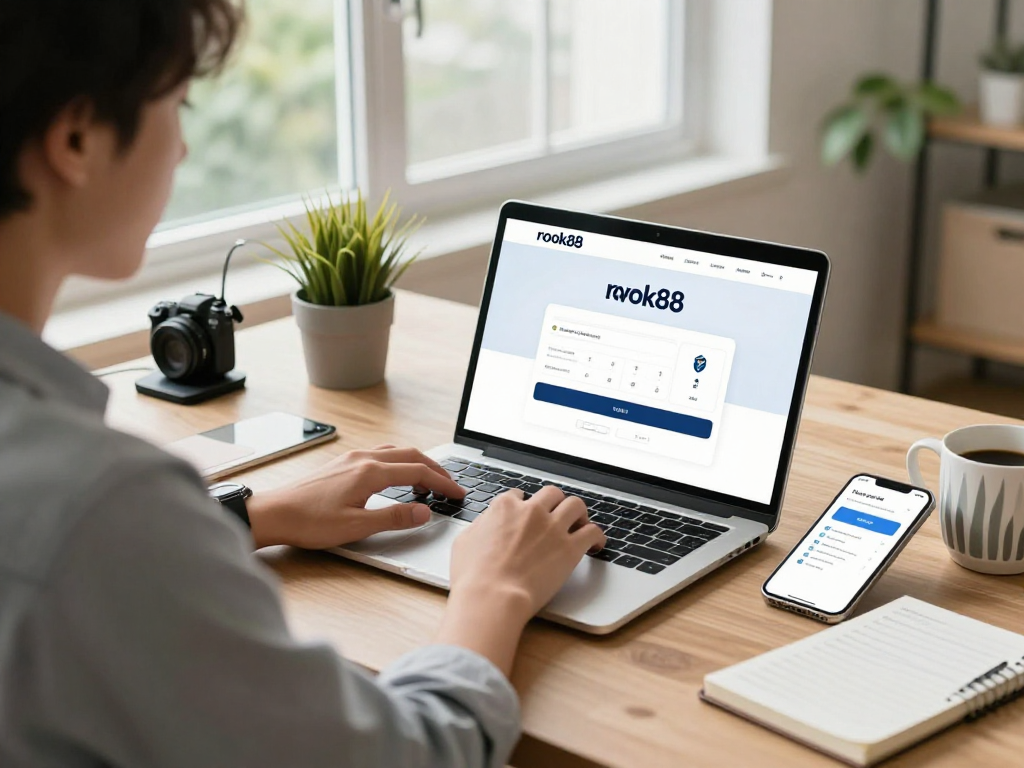
The login process is one of the first points of interaction users have with banking applications. A streamlined approach, such as the rokok88 login, minimizes barriers to entry while maximizing security. Features like password recovery options, social media logins, and saved session management can enhance user experience significantly.
Personalization and Customer Engagement Strategies
Personalization in banking applications can lead to stronger customer relationships and enhanced engagement. By leveraging data analytics, banks can offer tailored financial advice, customized product recommendations, and targeted promotions. This level of personalization helps banks stand out in a crowded marketplace.
Technological Innovations Shaping Finance
Technological advancements continue to reshape the financial landscape, leading to innovations that enhance efficiency and improve customer experiences. In this section, we explore several key technologies that are driving change in the banking sector.
The Impact of AI on Banking Operations
Artificial Intelligence (AI) is revolutionizing the way banks operate, from customer service to fraud detection. AI-powered chatbots provide immediate assistance, answering customer queries at any time. Additionally, machine learning algorithms analyze transaction patterns to identify and mitigate fraudulent activities proactively.
Blockchain Technology in Digital Transactions
Blockchain technology is another major innovation in the financial sector. By providing a decentralized ledger, blockchain enhances transparency and security in transactions. Financial institutions are increasingly exploring the use of blockchain for cross-border payments and smart contracts, which can streamline operations and reduce costs.
Mobile Banking Features of the Future
The future of mobile banking will likely include even more advanced features, such as augmented reality capabilities for visualizing spending, voice-activated banking transactions, and enhanced security measures through biometric technology. As customers demand more from their banking apps, institutions must innovate continually to meet these expectations.
Regulatory Considerations for Online Banking
Navigating the regulatory landscape is crucial for online banking institutions. With stringent compliance standards, banks must ensure they adhere to legal requirements to protect both themselves and their customers.
Compliance Standards in Financial Services
Financial institutions must comply with a variety of regulations, including the Know Your Customer (KYC) and Anti-Money Laundering (AML) regulations. These standards are designed to prevent fraud and ensure that banks perform due diligence on their users. Implementation of these measures is not just a legal requirement but also builds trust with customers.
Data Protection Laws Affecting Digital Banks
Data protection laws such as the General Data Protection Regulation (GDPR) significantly affect how banks handle customer data. Compliance with these regulations not only ensures legal adherence but also enhances the trustworthiness of financial institutions, crucial in maintaining customer loyalty.
Future Regulations Impacting User Login Processes
As technology evolves, so do the regulations surrounding it. Future regulations may impose stricter guidelines on user authentication and data protection, requiring banks to continuously adapt their security measures. Staying informed about these changes will be essential for financial institutions to remain compliant.
Future Trends in Digital Banking (2026 and Beyond)
Looking ahead to 2026 and beyond, the digital banking sector is poised for even more significant changes. Understanding these trends will be vital for financial institutions aiming to stay ahead.
Predicted Changes in User Behavior
As digital natives increasingly dominate the consumer market, banking habits are shifting towards more digital-first solutions. This generation values convenience and speed, leading to a growing preference for contactless payments, mobile banking, and instant services over traditional banking methods.
The Growth of FinTech Solutions
FinTech companies are rapidly emerging as formidable competitors to traditional banks. Their ability to innovate quickly and cater to specific customer needs positions them as leaders in financial technology. Established banks may need to partner with or acquire FinTech startups to enhance their service offerings and remain competitive.
Adapting to Economic Shifts and Consumer Needs
The financial landscape is continuously influenced by economic shifts, such as recessions or booms, which alter consumer behavior. Banks must remain agile, adapting their services to meet changing consumer needs—from flexible loan options during economic downturns to investment products during periods of growth.
What are the benefits of using rokok88 login?
The rokok88 login process provides users with easy access to their financial information while ensuring a secure environment. Benefits include a faster login experience, a personalized dashboard, and seamless transaction processing.
How secure is the rokok88 login process?
Security measures surrounding the rokok88 login process include encryption, two-factor authentication, and regular security audits to protect user data from potential breaches.
Can I access rokok88 login via mobile?
Yes, the rokok88 login is fully optimized for mobile devices, allowing users to access their accounts on-the-go through a dedicated mobile application or responsive website.
What should I do if I forget my rokok88 login details?
If you forget your login details, there is a straightforward recovery process in place. Users can initiate a password reset through the login interface by following the prompts and verifying their identity.
Are there additional features available after logging into rokok88?
After logging into rokok88, users can access various features including transaction history, budgeting tools, and investment options, enhancing their overall banking experience.