A cleaning robot can vacuum or mop a floor without someone holding the handle. Its value depends on the room, the sensors, and the work left after each run. For a buyer, the main question is where the robot helps and where a person still needs to step in.
Quick read
- Vacuum robots can map rooms, return to a charging dock, and run on set schedules.
- Mopping robots need clean water, waste-water handling, and floors that suit their cleaning method.
- Cables, stairs, pets, wet areas, and small objects can still stop a robot or cause damage.
Where cleaning robots help
The clearest benefit is repeated floor work. A robot can run while a home, shop, or office is empty, so staff or household members have less daily vacuuming to do. That matters most on open floors with few loose objects.
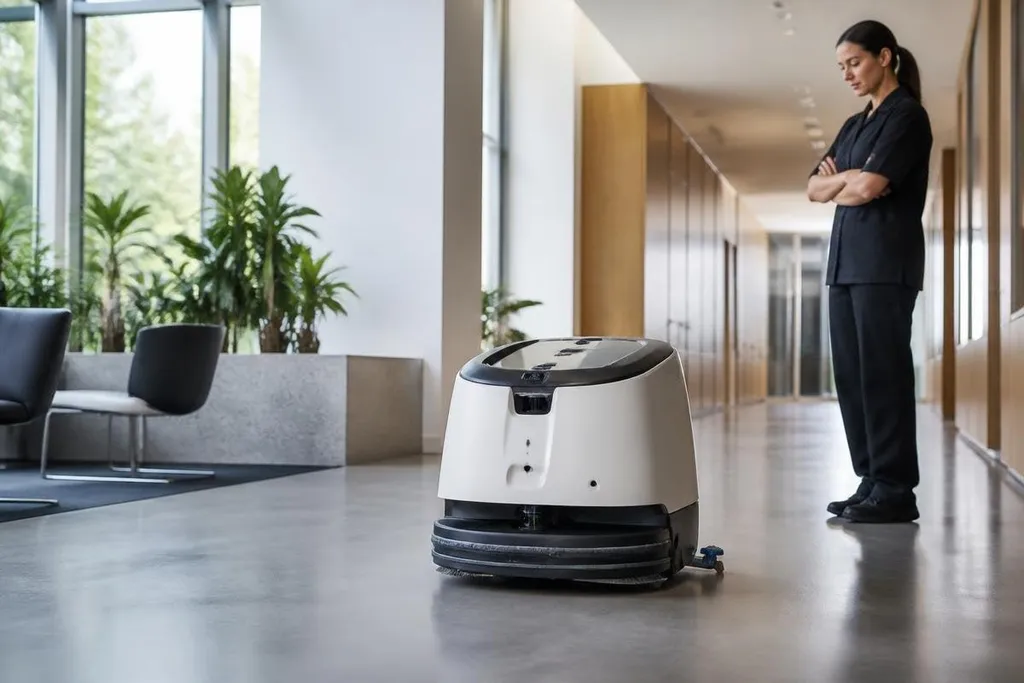
Many models use wheels, brushes, a dust bin, and sensors that help them detect walls or drops. Some use LiDAR, which measures distance with light, to build a room map. Others use cameras or simpler sensors, so their ability to spot objects differs from one model to another.
A mapped robot can clean selected rooms or follow a set route. That makes it more useful than a machine that moves at random, especially in a space with several rooms and regular cleaning needs. The map still needs checking after furniture moves or doors are closed.
Mopping robots can reduce the amount of manual floor washing. Their result depends on the pad, the water flow, the floor surface, and the dirt involved. A robot may spread a thin layer of dirt if its pad is full or if it keeps using dirty water.
The work a robot cannot remove
Cleaning robots move the work rather than removing all of it. Someone has to empty a dust bin, wash or replace a pad, clear hair from a brush, and check the charging area. A model with an automatic emptying dock reduces one task, but the dock still needs care.
Room preparation also matters. Loose cables can catch in a brush or wheel. Small toys, clothing, and food can block movement. A robot may avoid some objects and push others, so the result depends on what its sensors can see and how the maker has set its software.
Stairs create another limit. A drop sensor can help a robot avoid an edge, but that does not make every stairway safe for every model. Open ledges, dark surfaces, glass, and changes in floor height deserve a test before regular use.
A cleaning robot's safe use depends on details product pages may skip, including the model and test setting. Cleaning robot reports from Robot24.com can place those claims beside named tests and limits. That brings the next risk close to home: contact with people and pets.
Risks to people, pets, and property
A cleaning robot has moving parts and electrical parts. Keep fingers, loose clothing, and pet toys away from the brush area while the robot runs. Follow the maker's charging and water instructions, especially when a mopping model uses a dock with electrical connections.
Pets can react to noise or movement. A robot may also spread a pet mess across the floor, damage a small object, or carry dirt from one room to another. If an animal is anxious or likely to block the robot, run it only when someone can check the room.
Privacy can matter with models that use cameras or cloud services. Read what the robot records, where data goes, and which features stop working without an internet connection. A robot that maps rooms may also store a useful layout of the building.
I’d skip a camera-based model if you don’t need object recognition or remote checks. A less complex model may fit better when the goal is regular floor cleaning and the room is easy to prepare.
Before you buy
Use this check before choosing a model:
- Match the floor: Confirm that the robot suits carpet, hard floors, rugs, or mixed surfaces in the rooms you want cleaned.
- Check the care work: Count the tasks you’ll still do, including brush cleaning, bin emptying, pad washing, and water changes.
- Plan for obstacles: Look for cables, low furniture, thresholds, stairs, and small objects that may block its route.
- Review data settings: Check camera access, map storage, cloud use, and what the robot can do without an internet connection.
- Set a safe run time: Choose hours when people and pets won’t trip over the robot or disturb its work.
A cleaning robot fits best when the floor is open, the routine is steady, and someone checks the machine often enough to catch a blocked brush or full bin. If the room needs heavy scrubbing, careful edge work, or frequent object removal, keep a manual cleaner in the plan.