
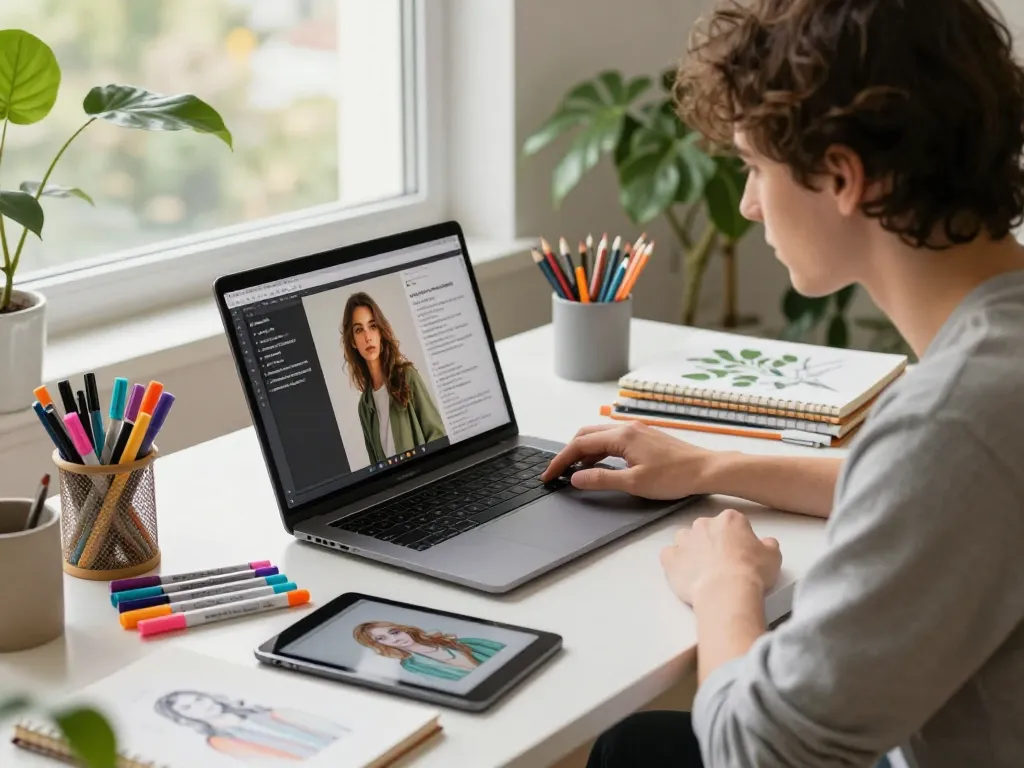
Understanding Image to Prompt Generation
The advancement of artificial intelligence has revolutionized the creative landscape, allowing artists and designers to transform their ideas into stunning visuals with unprecedented ease. At the forefront of this evolution is the image to prompt generator, a tool that empowers users to convert images into descriptive prompts for various AI models. This article will explore the core functionalities, benefits, and applications of image to prompt technology, tailored for both novice and experienced creators in the digital art sphere.
What is an Image to Prompt Generator?
An image to prompt generator is a sophisticated AI tool designed to analyze visual content and produce text-based prompts that can be used in AI art generation. By examining attributes like composition, color, lighting, and subject matter, these generators can create detailed textual descriptions that encapsulate the essence of the original image. This bridge between visual input and textual output allows artists to leverage existing visuals as a foundation for new creations, essentially deconstructing complex images into actionable instructions for AI models.
How Image to Prompt Tools Work
Image to prompt tools utilize advanced machine learning algorithms to dissect images at a pixel level. The process typically involves several steps:
- Image Upload: Users upload an image in formats like JPEG, PNG, or WEBP, with a size limit often set at 4MB.
- Analysis: The tool processes the image, identifying key elements such as shapes, colors, and textures.
- Prompt Generation: Based on the analysis, the tool generates a prompt tailored to specific AI models, ensuring the text aligns with the model's capabilities.
This systematic approach ensures that the generated prompts are not only accurate but also reflective of the original artwork's intent, enhancing the quality of AI-generated art.
Key Benefits for AI Creators
Using an image to prompt generator offers numerous advantages for artists and designers:
- Enhanced Creativity: Creators can explore new artistic directions by remixing existing images into unique outputs.
- Time Efficiency: Instead of manually crafting prompts, users can quickly obtain text that captures the nuances of their images.
- Model Optimization: These tools often provide prompts that are optimized for different AI models, ensuring that the output meets the creator's expectations.
Choosing the Right AI Model
Selecting the appropriate AI model is crucial for maximizing the impact of your image to prompt generator. Each model has its unique strengths, making it essential for users to align their prompt generation with the intended art style and capabilities of the AI.
Overview of Supported AI Models
Many image to prompt tools support a variety of AI models, including:
- Midjourney: Known for its artistic flair, Midjourney suits prompts that benefit from descriptive noun and adjective pairings.
- Stable Diffusion: This model excels with precise, keyword-driven prompts that focus on technical details.
- Flux: Flux caters to users seeking concise, effective prompts, ideal for generating high-quality outputs.
- Nano Banana: This model thrives on creative and quirky prompts, offering an experimental touch for artistic projects.
Model-Specific Optimization Techniques
The effectiveness of a generated prompt can vary significantly depending on the AI model used. For instance, Midjourney often responds better to prompts laden with artistic descriptors, while Stable Diffusion prefers a straightforward approach with clear keywords. Image to prompt generators typically incorporate model-specific optimization techniques to ensure the prompts resonate with the corresponding AI's strengths:
- Curated vocabulary tailored to the artistic tendencies of Midjourney.
- Technical language and precise wording for Stable Diffusion to enhance output fidelity.
- Conciseness and clarity for Flux to maximize visual impact.
Matching Prompts to AI Capabilities
To achieve the best results, creators must understand the specific capabilities and limitations of each AI model. A well-matched prompt tailored to the strengths of a selected AI can significantly improve the quality of the generated art. This alignment can typically be achieved through:
- Familiarizing oneself with the nuances of each model's prompt requirements.
- Experimenting with different styles and qualities based on the feedback from the AI outputs.
Maximizing Your Creative Workflow
To fully harness the power of image to prompt technology, it's essential to integrate this tool into your creative workflow effectively. Here are some strategies to maximize your use of an image to prompt generator.
Steps to Use the Image to Prompt Tool Effectively
Utilizing an image to prompt generator involves a straightforward process:
- Image Selection: Choose a high-quality image that reflects your artistic vision. A clear subject with distinct elements typically yields better results.
- Upload and Analyze: Upload the image to the tool and allow it to analyze the content, generating a descriptive prompt.
- Test and Iterate: Use the generated prompt in your chosen AI model, analyze the output, and refine the prompt as necessary for improved results.
Best Practices for Uploading Images
The quality and type of image uploaded can significantly impact the output quality of your prompts. Here are some best practices to ensure optimal results:
- Use high-resolution images that clearly showcase the subject matter.
- Include various elements in your images to capture diverse aspects in the prompt.
- Avoid overly complex images that may confuse the analysis algorithm.
Iterating and Refining Your Prompts
Once you receive a prompt, it’s advisable to experiment with variations. Iteration can lead to discovering alternative artistic directions that may not have been initially considered. This may involve:
- Adjusting descriptive terms to emphasize different aspects of the artwork.
- Testing the prompt with several AI models to find the best fit.
By refining your prompts, you can unlock new artistic opportunities and enhance your overall creative process.
Application in AI Art and Design
The intersection of traditional artistry and AI capabilities leads to innovative applications in art and design. Image to prompt tools serve as invaluable resources for enhancing creativity and productivity in these fields.
Creating Cohesive Visual Stories
Image to prompt technology allows creatives to weave narratives through art. By generating prompts that align with a specific theme or story, artists can maintain visual cohesiveness across a series of artworks. This approach is particularly effective for:
- Series of illustrations for books or articles that require uniformity.
- Brand design projects that need a consistent visual identity.
Enhancing Your Art Projects with AI Prompts
AI prompts generated from images can serve as catalysts for artistic projects. For example:
- Artists can quickly generate variations of a piece, exploring different styles and interpretations.
- Designers can use prompts to guide the creation of marketing materials or digital media assets.
Utilizing Prompts for AI Video Generation
As AI video generation tools become more sophisticated, the role of prompts becomes increasingly crucial. High-quality input can lead to more stable and visually appealing outputs. Using image to prompt tools, creators can:
- Analyze key frames from videos to develop descriptive prompts that enhance consistency.
- Generate prompts that guide video narratives, ensuring coherence throughout the visual storytelling process.
Privacy and Performance in Image Processing
In the digital age, privacy and performance are paramount. Creators need assurance that their sensitive content remains secure while accessing powerful AI tools.
Understanding Data Privacy with AI Tools
When utilizing image to prompt generators, it’s essential to understand how your data is handled. Reputable tools emphasize privacy-first architectures, ensuring that:
- Uploaded images are processed in real-time without being stored or used for building datasets.
- Every user interaction is designed to protect creative assets, giving artists peace of mind.
Speed Optimization for Real-Time Results
Modern creators expect fast results. AI image to prompt tools leverage high-speed inference engines to deliver prompt generation in seconds, enabling users to:
- Quickly iterate through multiple prompts without significant delays.
- Maintain a smooth creative flow, essential for inspiration-driven work.
Evaluating Prompt Accuracy and Effectiveness
The ultimate goal of an image to prompt generator is to provide accurate and effective prompts. Users should evaluate:
- The relevance of the generated prompts to the original image.
- The quality of the outputs produced by the AI models based on the prompts.
How can I use an image as a prompt with ChatGPT?
While ChatGPT primarily focuses on text inputs, users can still leverage images indirectly. By utilizing an image to prompt generator, creators can obtain a detailed prompt and then feed that into ChatGPT to explore further ideas or enhancements related to the original artwork or concept.
Can I generate prompts from old photos or sketches?
Yes, image to prompt generators can analyze both old photographs and sketches. However, the clarity and detail in the image will affect the accuracy of the generated prompts. Higher-quality images will typically yield more descriptive and useful prompts.
Do you store my uploaded images?
Most reputable image to prompt generators do not store uploaded images. They process the content in real-time and immediately discard it post-analysis, ensuring users’ creative assets are not misused.