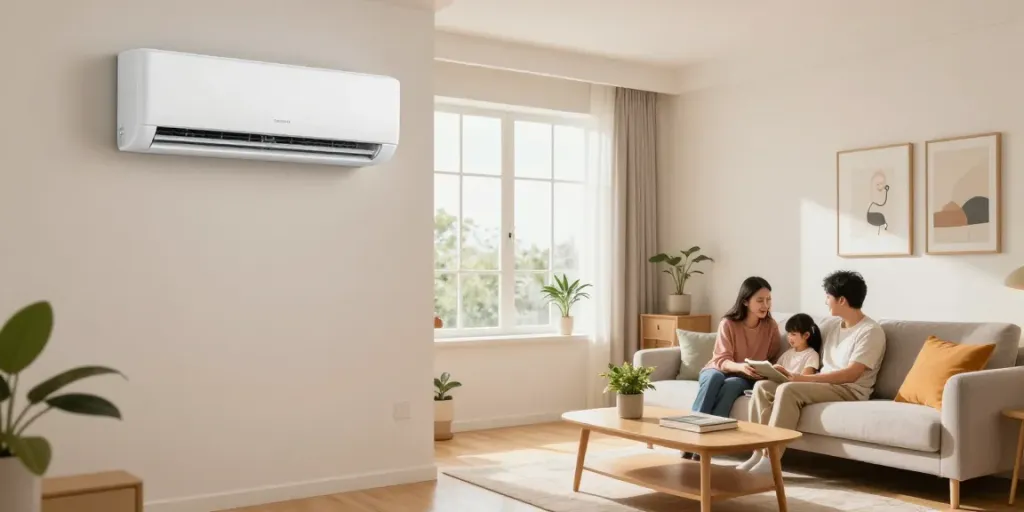
Understanding the 12000 BTU Mini Split System
As energy efficiency becomes a paramount concern for homeowners, the 12000 btu mini split system emerges as a popular choice for modern living spaces. This versatile heating and cooling solution is particularly suited for various environments, optimizing comfort while minimizing energy costs. In this guide, we will delve into the fundamentals of mini split systems, explore their key features, benefits, installation considerations, and performance metrics, and finally, discuss future trends that could redefine air conditioning technology.
What is a Mini Split System?
A mini-split system, also known as a ductless system, consists of an outdoor compressor unit and one or more indoor air handling units. This design allows for efficient temperature control in individual rooms without the need for extensive ductwork. Mini splits are designed to provide both cooling and heating capabilities, making them ideal units for a variety of climates. They are especially advantageous in homes where extending ductwork is not feasible.
Key Features of 12000 BTU Mini Split
- Heating and Cooling Functionality: The 12000 BTU mini split can effectively heat or cool spaces up to 550 square feet.
- High SEER Ratings: Many models boast SEER ratings of 20 or higher, highlighting their energy efficiency.
- Quieter Operation: Mini splits operate at a lower noise level compared to traditional air conditioning units.
- Remote Control: Most systems come with remote controls for user convenience.
Benefits of Using a Mini Split System
Mini split systems offer several advantages over conventional HVAC systems. First and foremost, they provide superior energy efficiency, leading to lower electricity bills. Additionally, their flexible installation options allow homeowners to target specific rooms or areas for heating and cooling, thus enabling personalized comfort. Furthermore, since mini splits don’t require ductwork, they eliminate the energy losses associated with ducts, ensuring more conditioned air reaches its destination.
Installation and Setup Considerations
Installing a mini split system requires careful planning and consideration to ensure optimal performance. This section highlights essential factors to keep in mind.
Choosing the Right Location for Installation
Finding the best location for your indoor and outdoor units is crucial to a mini split's efficiency. Indoor units should be placed in high-traffic areas to ensure even air distribution, while outdoor units must have ample space for airflow. Additionally, consider the proximity to electrical panels and existing structures to reduce installation complexity.
Common Installation Mistakes to Avoid
One frequent error is improperly sizing the mini split system for the space, which can result in inefficient operation. Additionally, neglecting to ensure proper insulation can lead to significant energy loss. Lastly, DIY installations may compromise system integrity, so hiring a professional installer is recommended for best results.
Initial Setup and Configuration Tips
Before powering up your mini split system, it is wise to double-check all connections, including refrigerant lines and electrical wiring. Following the manufacturer's guidelines for setup and configuration will ensure that your unit operates seamlessly. Advancing to smart technology controls can also enhance user experience, allowing for remote operation via mobile applications.
Performance Metrics and Energy Efficiency
To appreciate the true value of a 12000 BTU mini split, one must understand its performance metrics, particularly the SEER rating.
Understanding SEER Ratings for Mini Splits
SEER stands for Seasonal Energy Efficiency Ratio. It measures the cooling output during a typical cooling season divided by the total electric energy input during the same season. A higher SEER rating indicates greater energy efficiency. For instance, a model with a SEER rating of 24 uses less energy to achieve the same cooling output as one with a rating of 16.
How a 12000 BTU Mini Split Optimizes Energy Use
These systems use variable speed compressors that adjust their output based on the heating or cooling demand. This capability not only helps maintain a constant temperature but also reduces energy consumption, a feature that is particularly beneficial during peak usage hours.
Measuring Your Comfort and Cost Savings
Homeowners can quantify their savings by comparing electricity bills before and after the installation of a mini split system. Many users report a reduction in energy costs of 30-40%, making the investment worthwhile in the long run. Additionally, the added comfort from consistent temperatures enhances the overall living experience.
Maintenance Best Practices for Longevity
To maximize the lifespan and efficiency of your 12000 BTU mini split system, regular maintenance is essential.
Regular Cleaning and Filter Replacement
Clean the air filters monthly to prevent dust buildup, which can hinder airflow and efficiency. Additionally, the outdoor unit should be free of debris, including leaves and dirt, to ensure optimal performance. Regular HVAC maintenance usually includes professional cleaning and checks to identify potential issues before they escalate.
Annual Professional Check-ups and Services
Scheduling annual maintenance checks with a qualified technician will help keep your mini split running smoothly. These professionals can assess refrigerant levels, inspect electrical components, and ensure the unit operates efficiently.
Troubleshooting Common Issues
Should you experience problems, such as inadequate cooling or unusual noise, first check the filters and ensure they are clean. If issues persist, consult your user manual or contact a professional technician for further troubleshooting.
Future Trends in Mini Split Technology
The HVAC industry is evolving rapidly, and mini splits are at the forefront of numerous technological advancements.
Smart Home Integration with Mini Splits
Smart technology allows users to control their mini splits remotely, providing the convenience of adjusting temperatures and settings from smartphones or tablets. This trend is anticipated to grow, with more systems featuring built-in Wi-Fi and compatibility with home automation systems.
Emerging Features to Expect by 2026
Future mini split models may include enhanced filtration systems capable of removing allergens and pollutants better than current technologies. Additionally, we can expect further improvements in energy efficiency, with advanced inverter technologies minimizing electricity consumption.
Sustainable Practices in Air Conditioning Systems
As environmental concerns grow, the demand for eco-friendly refrigerants and systems will likely increase. Manufacturers may adopt practices that further reduce the carbon footprint of their products, presenting an eco-conscious option for consumers.
How Many sq ft will a 12000 BTU Mini Split Cool?
A 12000 BTU mini split typically cools spaces ranging from 400 to 550 square feet effectively, depending on factors such as insulation quality and sun exposure. Understanding your space will help in selecting the right system for optimal performance.
What are the Disadvantages of a 12000 BTU Mini Split?
While mini splits offer numerous benefits, some disadvantages include the initial cost of installation and potential aesthetic concerns regarding indoor units' placement. Additionally, not all homeowners may appreciate the presence of the outdoor unit or the noise it can generate.
What Size Breaker Do I Need for a 12,000 BTU Mini Split?
Typically, a 12000 BTU mini split requires a 15 to 20 amp double-pole breaker, depending on the specific model and electrical requirements. Always consult your manufacturer's specifications to confirm the appropriate size.
Why is My Electric Bill So High with Mini Split?
High electricity bills can occur if the mini split is not properly sized for the space or if it requires maintenance, such as filter cleaning. Additionally, running the system continuously at a low temperature can also lead to increased energy costs. Ensuring optimal settings and scheduling regular maintenance checks can mitigate this issue.