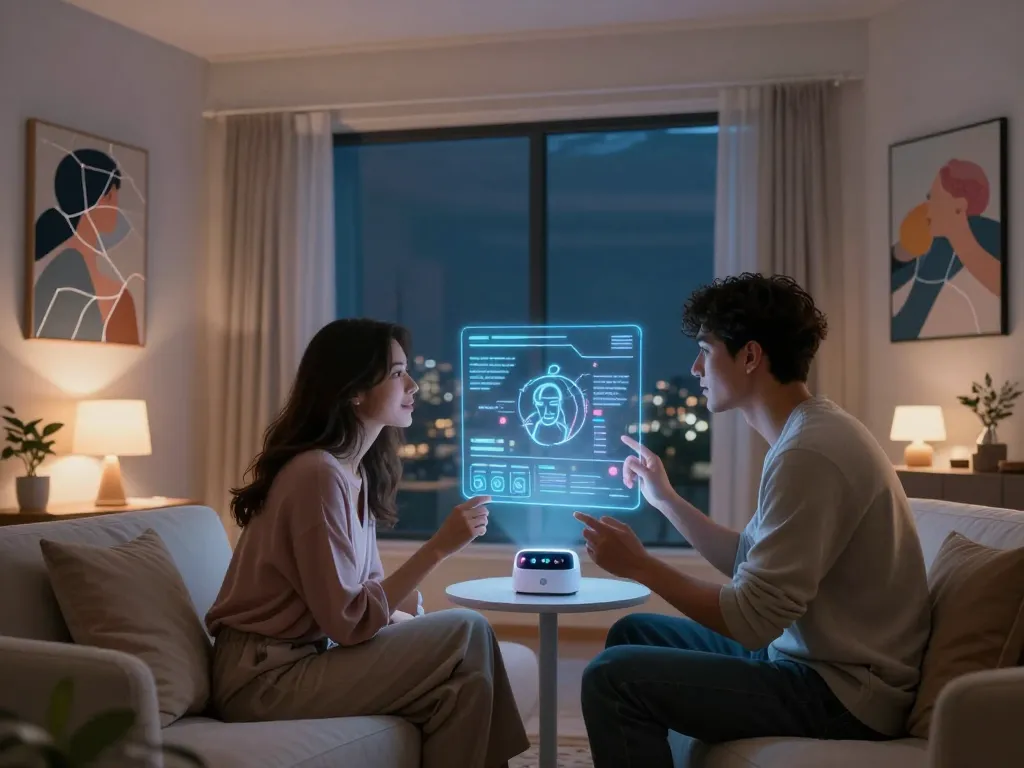
Understanding AI Sex: Defining the Landscape
The concept of AI in sexual interactions, often referred to as AI sex, is rapidly evolving, merging technology with human intimacy in ways that raise both excitement and concern. As artificial intelligence continues to develop, we are witnessing its incorporation into various aspects of our lives, including relationships and sexual encounters. From AI-driven chatbots providing companionship to advanced sex robots mimicking human behavior, the implications for our emotional and sexual landscapes are profound. Understanding these dynamics is essential for both individuals and society at large in navigating this uncharted territory.
When exploring options, ai sex provides comprehensive insights and innovations that challenge traditional relationships and intimacy. The integration of AI in sexual contexts offers new avenues for connection but also presents significant ethical and psychological dilemmas that must be addressed.
What is AI Sex and Its Implications?
At its core, AI sex involves the use of artificial intelligence technologies to create interactive sexual experiences. This can range from virtual relationships facilitated by AI chatbots to physical relationships with robots designed for sexual companionship. The implications of these technologies extend beyond mere convenience; they challenge our understanding of intimacy, connection, and what it means to be human.
For instance, the development of sex robots that can engage in complex conversations and simulate emotional responses introduces questions about the nature of relationships. Are these robots capable of forming genuine emotional bonds, or are they merely sophisticated tools designed to fulfill human desires? Furthermore, the implications for mental health are still largely unexplored, raising concerns about dependency on AI for emotional support.
Emerging Technologies in AI-Driven Relationships
The rise of generative AI and machine learning has transformed how we interact with technology. Virtual companions like chatbots are increasingly capable of mimicking human conversation, utilizing natural language processing (NLP) to engage users in personalized and meaningful ways. Some platforms allow users to create their own ideal partner using AI algorithms that learn from user interactions.
Moreover, developments in robotics have led to the creation of lifelike sex robots that offer not just physical companionship but also emotional interactions. These robots can respond to touch, hold conversations, and even exhibit traits such as empathy and affection, fundamentally altering the way we perceive companionship and sexual relationships.
How AI is Shaping Intimacy and Consent
AI technologies are also redefining concepts of intimacy and consent. The ability to program responses and set boundaries within AI companions raises questions about the nature of consent in human-AI interactions. If a user programs an AI companion to act in certain ways, can we consider that a consensual relationship? Additionally, the anonymity of AI interactions can complicate consent, as users may feel more emboldened to engage in behaviors they might avoid in traditional relationships.
Furthermore, as AI companions become more prevalent, societal norms around sexual relationships may shift. The boundaries of what constitutes acceptable intimacy are expanding, necessitating a reevaluation of consent in situations where emotional and sexual interactions blur the lines between human and machine.
The Ethical Considerations of AI in Sexual Interactions
Addressing Privacy and Safety in AI Sex
As we navigate the implications of AI in sexual interactions, significant ethical considerations emerge, particularly concerning privacy and safety. The data collected by AI-driven platforms can be extensive, including personal preferences, intimate conversations, and even biometric data. This information, if mismanaged, poses risks of breaches of privacy, exploitation, and manipulation.
Furthermore, concerns about safety become paramount as the technology develops. For example, the potential for AI-generated content, such as deepfakes or non-consensual pornography, raises alarms about consent and the risks associated with digital intimacy.
The Role of Consent in AI-Generated Intimacy
Consent is a foundational element of any intimate interaction, yet its role becomes complex within AI-driven relationships. The programming of AI companions to respond to user prompts raises questions about the authenticity of consent. If an AI is designed to please its user, can it truly provide consent in the same way a human would? This complex dynamic necessitates ongoing discussions about how we define and uphold consent in an age increasingly dominated by artificial intelligence.
Debating the Morality of AI Relationships
The morality of relationships with AI remains a hotly debated topic. Critics argue that reliance on AI for companionship may erode genuine human connections, while supporters contend that these technologies can serve as valuable emotional outlets for those who struggle with traditional relationships. The moral fabric of society could be tested as AI becomes more integrated into our personal lives, challenging our assumptions about love, fidelity, and emotional attachment.
Impact of AI on Human Relationships and Sexual Health
Redefining Emotional Connections through AI
AI has the potential to redefine emotional connections in ways that benefit or hinder mental health. For some, AI companions offer non-judgmental spaces for exploring intimacy and sexuality, providing an avenue for those who feel isolated or unable to connect with traditional partners. This technology can help bridge the gap for individuals with disabilities, social anxiety, or other challenges that make forming connections difficult.
Yet, there is a growing concern that reliance on AI for emotional support might prevent individuals from pursuing genuine human interactions, leading to increased feelings of loneliness and isolation. The challenge lies in finding a balance between utilizing AI as a tool for companionship while fostering meaningful human relationships.
Benefits and Risks of AI Companionship
The benefits of AI companionship are manifold, including enhanced accessibility for those with physical or psychological barriers to traditional relationships. Additionally, AI companions can be programmed to cater to specific emotional needs, providing support in a personalized manner. However, the risks cannot be overlooked; dependency on AI can lead to diminished interpersonal skills and a lack of emotional resilience.
Moreover, as generative AI technologies become more sophisticated, they may inadvertently perpetuate harmful stereotypes or unrealistic expectations regarding sexual relationships, further complicating the landscape of intimacy and consent.
Addressing Misconceptions about AI Sex
As AI-driven sexual interactions gain popularity, misconceptions abound. Many assume that AI sex is devoid of any emotional depth or that interactions with AI are merely transient experiences. However, emerging evidence suggests that users can form real emotional connections with AI companions, complicating our understanding of intimacy and personal relationships.
Education and awareness are key to dismantling these misconceptions. By fostering open discussions about the nature of AI relationships, we can better understand their complexities and the impact they have on our emotional well-being.
Navigating the Future of AI Sex Technology
What to Expect in AI Sex Innovations by 2026
Looking ahead, the landscape of AI sex technology is poised for transformative innovations by 2026. Advances in natural language processing, machine learning, and robotics will likely yield increasingly sophisticated companions that can recognize emotions and adapt their responses accordingly. Moreover, the integration of virtual and augmented reality may offer immersive experiences that blur the line between digital and physical intimacy.
As technology continues to evolve, the ethical frameworks guiding the development and application of AI in sexual contexts will need to keep pace. Stakeholders from various sectors, including technology, ethics, and mental health, must collaborate to create guidelines that protect users while promoting positive interactions.
Trends Shaping Emotional and Sexual Dynamics
Several trends are emerging that will shape the emotional and sexual dynamics of AI technology. The increasing demand for personalized experiences will drive innovation, leading to AI companions that can cater specifically to individual emotional and sexual needs. Additionally, the normalization of AI in sexual contexts may alter public perceptions of relationships, creating a cultural shift in how we view companionship and intimacy.
Furthermore, the role of regulation will become increasingly important as the technology continues to develop. Ensuring the safety and privacy of users will be crucial in fostering trust in AI-driven interactions.
Strategies for Healthy Adaptation to AI in Relationships
As society navigates the integration of AI into intimate relationships, several strategies can promote healthy adaptation. Open communication about feelings, boundaries, and expectations is critical for those engaging with AI companions. Additionally, individuals must remain aware of the potential for dependency on technology, taking proactive steps to maintain balance in their relationships with both AI and humans.
Lastly, engaging with educational resources on AI and human relationships can equip users with the knowledge needed to make informed decisions and foster positive emotional connections.
Frequently Asked Questions about AI Sex
How does AI affect intimacy in relationships?
AI can enhance intimacy by providing personalized interactions and emotional support. However, it can also create distance if individuals become overly reliant on AI companions instead of engaging with human relationships.
Is AI-generated intimacy safe for mental health?
While AI can provide therapeutic benefits for some, excessive reliance on AI for intimacy can lead to loneliness and emotional detachment from real relationships. Moderation and awareness are vital.
What ethical considerations should we be aware of?
Ethical considerations include privacy, consent, and the potential for AI to perpetuate harmful stereotypes in relationships. A collective effort is necessary to develop guidelines that uphold ethical standards in AI interactions.
How is AI changing the perception of consent?
AI complicates traditional notions of consent as users interact with programmed responses. Understanding and redefining consent within AI contexts is crucial to ensure respectful and safe interactions.
What are the latest advancements in AI sex technology?
Recent advancements include the development of more lifelike sex robots and AI chatbots capable of engaging in complex emotional dialogues. The integration of VR and AR technologies is also on the rise, offering immersive experiences.