Understanding Real Estate Models
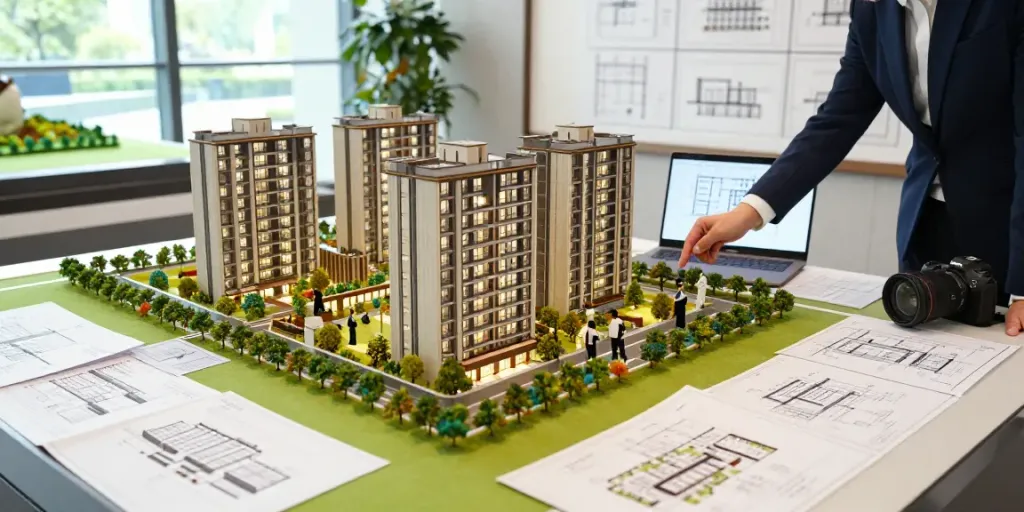
In the world of real estate, effective communication is paramount. Real estate models serve as a pivotal tool that captures the essence of a project, enabling stakeholders to visualize the end product. Presentation models particularly stand out, providing an engaging, tangible representation of properties under development. These models can be intricate and colorful, exhibiting every detail that will ultimately be featured in the finished building. For a deeper look into how real estate models contribute to marketing strategies, let’s explore their definition, purpose, and various types available.
Definition and Purpose of Real Estate Models
Real estate models are scale representations of actual properties or planned developments. Their primary purpose is to communicate the vision of a project effectively. Whether used for marketing, planning, or education, these models provide a three-dimensional perspective that flat images simply cannot achieve. They both attract potential investors and serve as a reference point for architects, developers, and buyers.
The Role of Real Estate Models in Marketing
In marketing, real estate models play a transformative role. They help potential buyers visualize themselves within a space, enhancing the emotional connection to the property. When potential clients can see a detailed physical representation of a development, it boosts their confidence in the project, making them more likely to invest. This is particularly vital in real estate sectors where competition is fierce, and differentiation is crucial.
Types of Real Estate Models Available
There are various types of real estate models tailored to different project needs. Common types include:
- Architectural Models: These are intricate and detail-oriented, often used for presentations to clients or stakeholders.
- Site Models: Used to showcase larger developments, these models provide context by depicting the surrounding environment.
- Scale Models: Available in various scales such as 1:50, 1:100, and 1:200, these models represent properties in different dimensions, facilitating accurate visualizations.
- Conceptual Models: These are more abstract and are used in the early planning stages to communicate ideas rather than detailed features.
The Advantage of Using Real Estate Models
When it comes to real estate marketing and development, using presentation models presents numerous advantages that have proven beneficial across various sectors.
Improving Visualization for Buyers and Investors
One of the most significant benefits of presentation models is their ability to improve visualization. Buyers often find it challenging to imagine the final appearance of a property from blueprints or 2D drawings. Presentation models bridge this gap by providing a physical representation that is both easier to understand and more engaging, thereby clarifying the developer's vision.
Enhancing Presentations for New Developments
In a competitive real estate market, the ability to present new developments compellingly can be the deciding factor in securing investors. High-quality presentation models enhance marketing presentations, making them more appealing and informative. They allow developers to showcase unique features and benefits of a property in a way that captivates their audience.
Building Trust Through Detailed Representations
Transparency and trust are crucial in real estate transactions. Presentation models foster trust as they offer a tangible insight into the project. When stakeholders can see a meticulously crafted model, their confidence in the development increases, making them more likely to engage with the project. This trust can lead to faster sales and easier financing.
Why Choose Our Presentation Model Services?
Customization Options for Every Project
Every real estate project has unique requirements, and our presentation models can be tailored to meet those needs. Clients can select from various scales, details, and materials to create a model that fits their project's vision perfectly. Customization not only enhances the model's relevance but also ensures that it speaks directly to the intended audience.
Expert Craftsmanship and Attention to Detail
Our team prides itself on employing expert craftsmanship with a keen eye for detail. Each presentation model is meticulously constructed to reflect the true nature of the project. This level of detail is essential, as it not only improves aesthetics but also ensures that the model accurately conveys the architectural and design intentions of the project.
Client Testimonials and Success Stories
Feedback from our clients consistently highlights the value brought by our presentation models. Many have reported an increase in investor interest and a smoother sales process, attributing their success to the clarity and appeal that our models provide. By choosing our services, clients not only gain a model but a valuable marketing asset.
Key Factors When Selecting Real Estate Models
When selecting a presentation model service, several factors should be considered to ensure the best outcome for your project.
Variety of Scales and Their Implications
The scale of a model significantly impacts its effectiveness. Our presentation models are available in scales of 1:50, 1:100, and 1:200. Understanding the context in which the model will be used helps determine the appropriate scale. Larger scales like 1:50 would be ideal for showcasing intricate details, while 1:200 might better serve broader site context.
Color Choices and Their Impact on Perception
Color plays a crucial role in how a model is perceived. A vibrant, colorful presentation model can attract attention and generate excitement, whereas a simple white model might convey a sense of elegance and professionalism. Ultimately, the choice of color should resonate with the branding of the project and the preferences of potential buyers.
Importance of Accurate Planning Documents
Accurate and detailed planning documents are essential for creating effective presentation models. They serve as the foundational blueprint from which the model builders work. Providing comprehensive documents can greatly reduce manufacturing time and enhance the overall quality of the final model.
Contact Us for Your Real Estate Model Needs
Ready to elevate your marketing with stunning presentation models? Our team is here to assist you through every step of the process, from initial consultation to final delivery. We thrive on creating customized solutions that align with your vision.
Getting Started with Your Model Project
The first step is to reach out to us to discuss your needs. Whether you’re looking for a marketing model for a residential development or a detailed site model for a commercial property, our team is ready to help you explore your options and bring your ideas to life.
Discussing Customization and Pricing
Once your requirements are established, we can provide a detailed overview of customization options available and discuss pricing. Our aim is to ensure that you receive a presentation model that exceeds expectations while fitting within your budget.
Manufacturing Timeline and Delivery Expectations
Typically, presentation models are completed within 8 to 12 weeks, depending on the complexity of the project and the availability of planning documents. We commit to communication throughout the process to keep you informed about progress and timelines, ensuring a smooth experience from conception to delivery.
Frequently Asked Questions
What are the benefits of real estate presentation models?
Real estate presentation models provide a clear visualization of projects, enhance marketing efforts, build trust with investors, and help buyers envision their future spaces.
How do real estate models enhance marketing strategies?
The dynamic and tangible nature of real estate models makes them compelling marketing tools, attracting potential buyers and investors while improving overall engagement with the project.
What types of real estate models are available?
Options include architectural models, site models, scale models, and conceptual models, each serving different marketing and presentation needs.
How long does it typically take to create a real estate model?
The timeframe can vary but generally ranges from 8 to 12 weeks based on complexity and the completeness of planning documents provided.
What factors should I consider when selecting a real estate model service?
Consider customization options, scale variety, color choices, and the accuracy of planning documents, all of which can greatly influence the final product's effectiveness and relevance.