1. Understanding Umroh Full Ramadhan: A Spiritual Journey
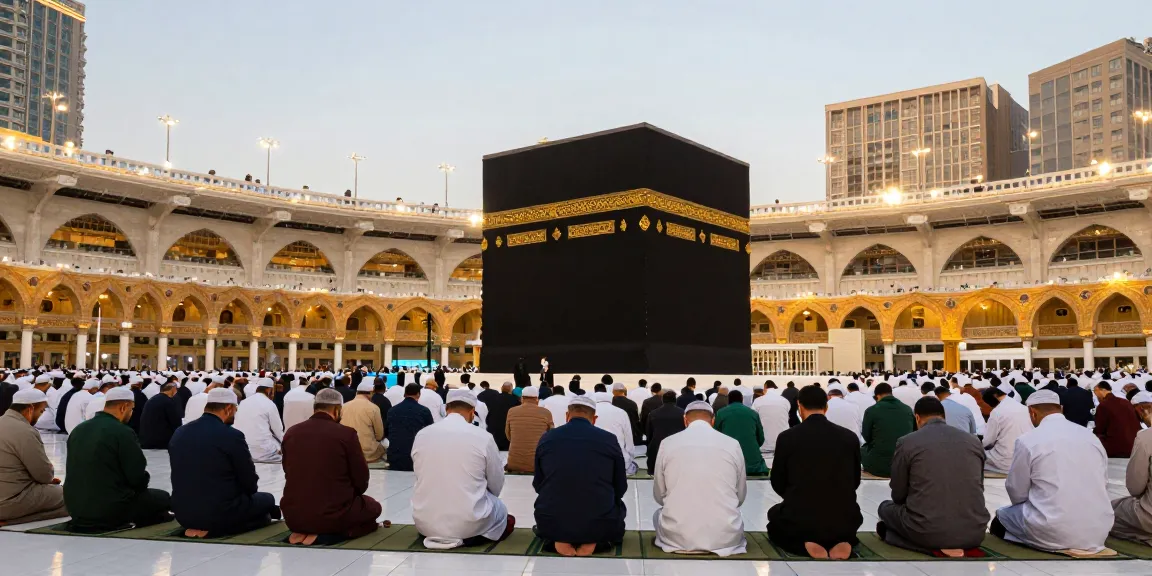
Embarking on the journey of Umroh Full Ramadhan is not merely a trip; it’s a profound spiritual experience that transforms the soul. As millions of Muslims flock to the holy cities of Mecca and Medina, they seek not just to fulfill a religious obligation but to immerse themselves in an experience like no other. This special pilgrimage during the holy month of Ramadan offers unique opportunities for reflection, prayer, and connection with God alongside fellow believers from around the globe. When exploring options, umroh full ramadhan programs provide comprehensive insights into the best times to visit and the various packages available.
1.1 What Is Umroh Full Ramadhan?
Umroh Full Ramadhan refers to performing the Umrah pilgrimage during the entire month of Ramadan, allowing pilgrims to engage in special prayers and rituals unique to this sacred period. The Umrah rituals themselves encompass specific rites, including Tawaf (circumambulation of the Kaaba) and Sa’i (the running between the hills of Safa and Marwah). However, during Ramadan, the experience is enhanced as the atmosphere is charged with spirituality and devotion.
1.2 Spiritual Significance for Pilgrims
During Ramadan, the spiritual benefits of performing Umrah are amplified. Pilgrims can feel the deep connection to their faith as they participate in Tarawih (night prayers) in the holy mosques, particularly in Masjid al-Haram and Masjid an-Nabawi. The unity of worshippers, combined with the communal aspects of breaking fast together, fosters a spirit of brotherhood and humility.
1.3 Key Preparations for the Journey
Preparing for Umrah Full Ramadhan involves essential planning and consideration, including acquiring necessary travel documents, securing flight reservations, and choosing the right accommodation. Pilgrims should also familiarize themselves with the specific customs and practices associated with Ramadan to enhance their overall experience. Essential items to pack include comfortable shoes for walking between religious sites, appropriate attire for prayer, and personal care items for the duration of the journey.
2. Comparison of Umroh Packages: Which One Suits You?
When considering an Umrah pilgrimage during Ramadan, travelers can choose from a variety of packages to meet their spiritual and budgetary needs. Jannah Firdaus offers several tailored programs that cater to different preferences, ensuring that each pilgrim can find a suitable option. Understanding these packages helps in making informed choices about the duration of the stay and activities included in each.
2.1 Different Program Options for 2026
The options for Umrah packages for 2026 range from short and efficient trips that focus on essential rites to longer programs that allow for a more comprehensive religious experience. Individuals can select packages that last from a few days to several weeks, depending on personal schedules and budgets. Essential details about the various departure dates and travel itineraries can guide pilgrims in choosing the best fit for their journey.
2.2 Analyzing Costs: Budget-Friendly vs. Luxury
Understanding the cost difference between budget-friendly and luxury packages is crucial. Budget packages may include shared accommodations and basic amenities, while luxury options offer higher-end hotels and exclusive services. Despite the price variations, it is essential to evaluate what is included in each package, such as meals, guided tours, and accessibility to key sites. This analysis can help each traveler determine the best financial option to maximize their pilgrimage experience.
2.3 Choosing the Right Accommodation
Accommodation is a significant aspect of any pilgrimage, especially during Ramadan. Proximal locations to the holy mosques are highly sought after, and prices can fluctuate drastically based on proximity and hotel quality. Beyond location, considerations such as amenities, room size, and services offered can greatly impact a pilgrim’s comfort during their stay.
3. Securing Flights: Smart Booking Strategies
Booking flights for Umrah during Ramadan requires strategic planning due to high demand. Pilgrims should aim to book their flights well in advance to secure the best rates and to ensure they have the necessary travel arrangements in place.
3.1 Best Airlines for Your Umroh Journey
Several airlines provide excellent service for pilgrimages to Saudi Arabia, including Saudi Airlines, Qatar Airways, and Garuda Indonesia. Comparing their services, flight durations, and stopover options can significantly enhance the overall travel experience. Recommendations can often help travelers find the best value while still enjoying quality amenities.
3.2 Optimal Booking Times for Lower Rates
It is advisable to monitor flight prices regularly and book tickets during off-peak times. Many airlines offer deals specifically for pilgrimages, and understanding peak travel times during Ramadan can lead to substantial savings.
3.3 Comparing Fare Prices: Tips for Travelers
Utilizing online travel tools for price comparison allows prospective pilgrims to evaluate the best deals comprehensively. Travelers should also check for any additional fees that may not be included in the initial fare to avoid unexpected costs later.
4. Cultural Experiences and Rituals During Umroh
Participating in Umrah during Ramadan is not solely about the rituals; it is also an opportunity for cultural immersion. Pilgrims can engage with local traditions, try regional cuisines, and learn the stories that lie behind the holy sites they visit.
4.1 Engaging with Local Communities
Engaging with the local community can enhance the pilgrimage experience. By sharing meals and participating in local events, pilgrims not only take part in spiritual activities but also contribute to strengthening community ties.
4.2 Traditional Foods to Try in Mecca and Medina
The culinary offerings during Ramadan are rich and diverse, with traditional foods like dates, Qamar al-Din (apricot juice), and various local delicacies available to taste. Sampling these delicacies can add an enjoyable layer to the cultural experience while nourishing the body after fasting.
4.3 Unique Practices during Ramadhan
Throughout Ramadan, several unique practices become more pronounced. The celebration of Iftar, the meal to break the fast, is more than just nourishment; it fosters community and belonging among Muslims. Participating in Iftar in the holy mosques creates unforgettable memories shared among pilgrims from diverse backgrounds.
5. Safety and Practical Tips for Pilgrims
Traveling during Ramadan requires a thoughtful approach to safety and practical logistics, particularly because of the large crowds and heightened activities at holy sites.
5.1 Navigating Crowds During Peak Seasons
Being prepared to navigate the significant crowds during Ramadan is essential. Pilgrims should plan their schedules carefully to avoid peak hours at the holy sites, ensuring they can move more freely and engage in worship without feeling overwhelmed.
5.2 Importance of Travel Insurance
Considering travel insurance is a smart move for any pilgrimage journey. Insurance can provide peace of mind by covering travel-related incidents, including flight cancellations, medical emergencies, and lost luggage.
5.3 Packing Essentials for a Comfortable Experience
A well-planned packing list should include essential clothing for various temperatures, comfortable walking shoes, personal care items, and necessary medications. Packing light yet thoughtfully ensures ease in navigating the often busy pilgrim lifestyle.
FAQs about Umroh Full Ramadhan
1. What are the key differences between Umroh and Hajj?
Umroh is a non-mandatory pilgrimage that can be performed at any time, while Hajj is a compulsory act of worship that takes place during specific dates in the Islamic calendar.
2. How long does an Umroh Full Ramadhan program typically last?
Programs can vary in length, often ranging from a few days to weeks, depending on individual schedules and preferences.
3. What should I include in my travel checklist for Umroh?
Your checklist should include travel documents, comfortable clothing, personal essentials, prayer items, and anything specific to your needs during Ramadan.