Understanding the Importance of Bóc Sổ Đỏ Ép Plastic
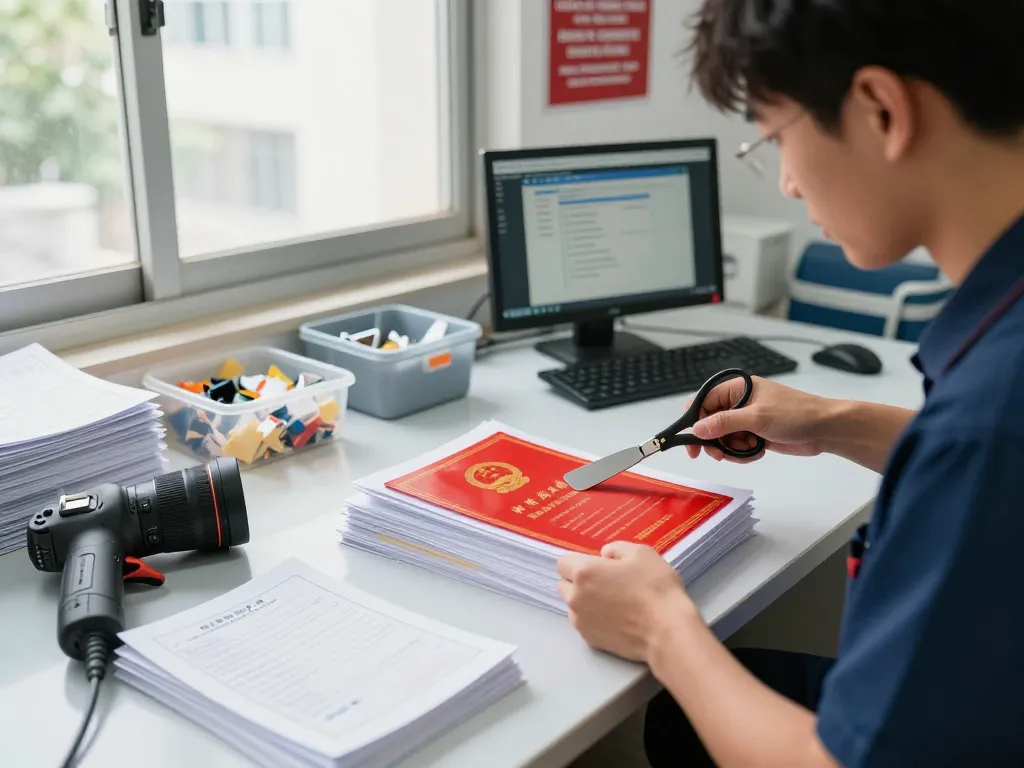
The process of bóc sổ đỏ ép plastic, or peeling plastic lamination from vital documents, has become increasingly significant in Hanoi, especially among homeowners and real estate agents. As the demand for property sales and legal transactions rises, the need to safely and effectively recover essential documents like the "sổ đỏ" (land use rights certificate) becomes urgent. This article aims to provide a thorough understanding of the process, emphasizing the importance of using safe techniques for document recovery. When exploring options, bóc sổ đỏ ép plastic provides comprehensive insights into the best methods available.
What is Bóc Sổ Đỏ Ép Plastic?
Bóc sổ đỏ ép plastic refers to the process of removing the plastic lamination that is typically used to protect vital documents such as land use rights certificates and property ownership papers. This lamination, while useful for preservation, can hinder necessary updates or transactions involving the paperwork. The extraction process must be handled with care to prevent damaging the document underneath, as improper removal can lead to rips, tears, or accidental adhesion of paper to the lamination.
Why Safe Recovery Methods Matter
Using safe methods for bóc sổ đỏ ép plastic is not only essential for maintaining the integrity of the document but also crucial for avoiding potential legal complications that can arise from damaged papers. When documents are compromised, they may lose value or even become unusable in legal settings, further complicating property sales or transfers.
Common Misconceptions about Document Recovery
Many individuals believe that DIY methods for removing plastic lamination are sufficient, often relying on techniques such as using heat from a hairdryer, steam, or even water immersion. However, such methods can severely damage the document, leading to issues like ink smudging, tearing, or leaving adhesive residue. It’s essential to understand that professionally trained services can provide a much safer and more effective solution.
Step-by-Step Guide to Safe Plastic Lamination Removal
Necessary Tools and Equipment for Effective Bóc Sổ Đỏ
Successful extraction of plastic lamination demands specific tools that can ensure the process is both safe and effective. Here is a list of essential items needed:
- Heat gun or professional document lamination removal kits
- Soft cloth or microfiber towels
- Precision cutting tools (scalpel or craft knife)
- Adhesive remover (if needed)
- Protective gloves
Preparation: Assessing Your Document's Condition
Before initiating the removal process, it is crucial to assess the document's condition. Check for:
- Visible tears or rips
- Amount of adhesive visible around the edges
- Type of plastic lamination used (thicker vs. thinner plastic)
This assessment will influence the method of removal and the tools needed to carry out the process efficiently.
Detailed Procedure for Safe Extraction
Here is a step-by-step guide for safely removing plastic lamination from your sổ đỏ:
- Prepare Your Workspace: Ensure you have a clean, flat surface to work on with good lighting.
- Use Heat Application: Gently warm the edges of the lamination using a heat gun, while keeping the temperature medium-low to prevent damaging the paper.
- Peeling: Carefully lift a corner of the plastic and slowly peel it away from the paper. If resistance is felt, apply more heat.
- Clean Up Residue: If adhesive remains, use a soft cloth with adhesive remover to gently clean the area without damaging the document.
- Final Inspection: Check for damages and allow the document to rest flat to ensure it remains undistorted.
Common Mistakes to Avoid When Recovering Documents
Poor Technique: Risks of DIY Removal
One of the largest risks associated with attempting to remove plastic lamination is the potential for damage caused by using ineffective techniques. Individuals often resort to methods like boiling water or excessive heat, which can ruin the integrity of the document.
Ignoring Document Integrity: Consequences
Neglecting to consider the document's state can result in significant complications. For instance, if a sổ đỏ is damaged, it may require reprinting or legal validation, incurring extra costs and delays in property transactions.
Understanding Different Types of Plastic Lamination
It is essential to recognize that there are various types of plastic lamination, each requiring a different approach for safe removal. Understanding these differences can aid in selecting the proper methods and tools for effective recovery.
Best Practices for Document Preservation Post-Recovery
How to Maintain Document Quality
Once the plastic lamination has been successfully removed, it’s important to take steps to ensure the document remains in good condition. Here are some best practices:
- Store documents in protective sleeves or archival boxes to prevent damage.
- Avoid exposure to direct sunlight, which can cause fading.
- Keep documents in a controlled environment with stable humidity and temperature levels.
Storage Solutions for Recovered Documents
Investing in quality storage solutions can significantly enhance the longevity of your documents. Consider using:
- Archival folders made of acid-free materials
- Safe filing systems that prevent bending or folding
- Digital backups to preserve information in case of physical damage
Regular Maintenance and Inspection Tips
Regularly inspecting your stored documents can help catch any potential issues early. Schedule routine checks to ensure:
- No new damage or deterioration is occurring
- Environmental conditions remain stable
- Digital backups are updated and accessible
Future Trends in Document Recovery Services
Innovations in Plastic Lamination Techniques for 2026
The landscape of document recovery is evolving, with emerging technologies that promise more efficient and less invasive removal processes. Techniques such as laser-assisted formulation are being explored, which provide a new threshold of precision in removing plastic lamination.
Emerging Technologies in Document Preservation
As technology continues to progress, advancements in materials and preservation techniques will play a critical role. Expect innovations like smart archival systems and AI-driven assessments for document conditions to gain traction by 2026.
Expert Insights: What's Next for Bóc Sổ Đỏ Ép Plastic?
Industry experts predict an increased focus on eco-friendly solutions, emphasizing sustainable materials in lamination processes. These trends aim to reduce environmental impact while also enhancing the safety and durability of document preservation methods.
What are the risks of improper bóc sổ đỏ ép plastic?
Improper techniques can lead to significant damage, including tearing, smudging, and loss of essential information, ultimately resulting in legal and financial repercussions. It is crucial to approach the process with care and preferably seek expert assistance.
How can I safely recover my laminated documents?
Safe recovery involves using proper tools and methods—preferably conducted by specialists. Always assess your document’s condition and utilize the appropriate techniques to prevent damage.
What tools are essential for bóc sổ đỏ ép plastic?
Key tools include a heat source, precision cutting tools, and adhesive removers. These items will significantly enhance the efficacy of the recovery process.
Can I remove plastic lamination at home?
While it is possible to attempt removal at home, the risks of damaging the document are significant. For peace of mind and to ensure proper handling, it is advisable to consult professionals.
Where can I find expert services for document recovery?
Professional services are widely available, and specifically in Hanoi, many companies specialize in bóc sổ đỏ ép plastic. Seeking out these experts can save time, money, and stress in the recovery process.