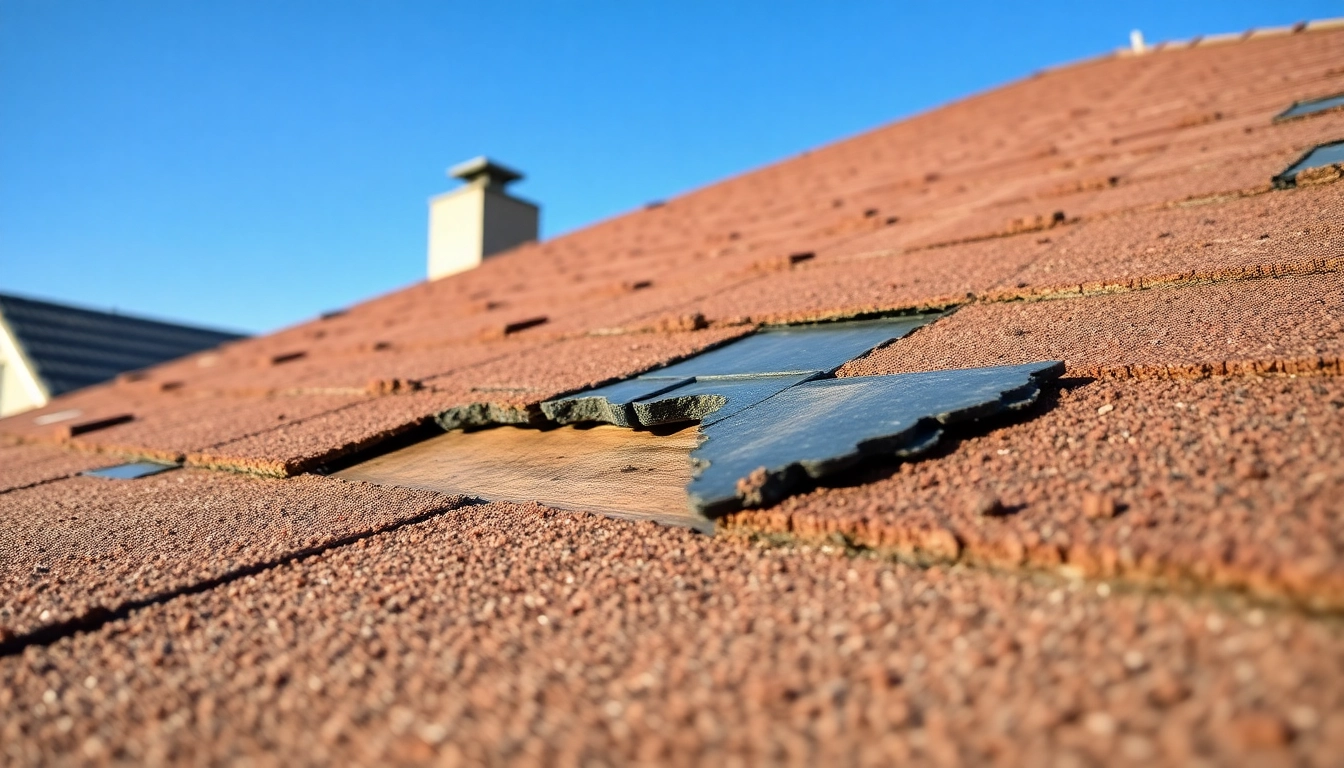
Introduction to Spray Foam Roof Damage
Spray foam roofing has gained popularity for its insulation properties and seamless application. However, like any roofing material, it is not immune to damage. Understanding the spray foam roof damage is essential for homeowners and building managers alike. This article will explore the nature of spray foam roofing, common causes of damage, effects of such damage, repair techniques, and preventive strategies.
What is Spray Foam Roofing?
Spray foam roofing is a type of roofing system that involves the application of spray polyurethane foam (SPF). It consists of a mixture of isocyanate and polyol that expands and hardens upon application, creating a solid, monolithic layer. This type of roofing is primarily used for commercial buildings due to its insulation qualities and durability. SPF systems offer several advantages, including waterproofing, energy efficiency, and lightweight material that reduces structural burden.
Common Causes of Spray Foam Roof Damage
Despite its many benefits, spray foam roofing can be susceptible to various forms of damage. Understanding these causes can empower property owners to take preventive measures:
- Weather Extremes: Exposure to intense sunlight, high winds, hail, and heavy rain can compromise the integrity of spray foam roofs. UV rays can lead to degradation and cracking over time.
- Ponding Water: Improper drainage can cause water to pool on the roof. This standing water can infiltrate the foam's structure, leading to serious damage and decay.
- Improper Application: If the spray foam is not applied correctly, it can lead to bridging, gaps, and inadequate coverage that increase vulnerability to damage.
- Mechanical Damage: Foot traffic during maintenance or installation of equipment can inadvertently compress or puncture the foam.
- Thermal Shock: Rapid temperature fluctuations can lead to expansion and contraction of the foam, resulting in cracks and structural failure.
Signs Indicating Roof Damage
Identifying early signs of damage can prevent further complications. Key indicators include:
- Visible Cracks or Breaks: Look for surface cracks, divots, or exposed areas where foam is missing.
- Ponding Areas: Persistent water pooling signifies drainage issues that could lead to foam saturation.
- Loss of Insulation: Areas with a marked increase in heating or cooling bills might indicate damaged foam insulation.
- Discoloration: Fading or discoloration in specific areas can suggest UV damage or contamination.
- Interior Water Stains: Leaks from above may present as water stains on ceilings or walls inside the building.
The Impact of Spray Foam Roof Damage
Damage to spray foam roofs can have wide-ranging effects on building integrity, costs, and energy consumption, making it crucial to address these issues promptly.
Consequences for Building Integrity
One of the most pressing consequences of ignoring spray foam roof damage is compromised structural integrity. Damage can lead to water infiltration, which adversely affects insulation and, over time, can compromise the underlying structure of the building. This can result in serious safety hazards and potentially costly repairs down the line.
Cost Implications of Ignored Damage
Failure to address spray foam roof damage promptly can lead to substantial financial repercussions. Initial minor repairs can escalate into major reconstruction if left unattended. Costs can soar due to water damage repair, loss of energy efficiency, and potential fines associated with code violations. Moreover, a damaged roof can diminish property value and marketability.
Impact on Energy Efficiency
Spray foam serves as an effective insulator, but damage can significantly reduce its efficiency. Cracks and gaps allow conditioned air to escape, forcing HVAC systems to work harder, resulting in higher energy costs. A compromised foam layer can lead to fluctuations in interior temperatures, making living or working conditions uncomfortable.
Repairing Spray Foam Roof Damage
Timely and effective repair of damage is essential for maintaining the integrity and efficiency of spray foam roofs. This section will discuss repair options and processes.
DIY vs. Professional Repairs
When it comes to repairing spray foam roof damage, homeowners may wonder whether to take a DIY approach or hire professionals. DIY repairs can be effective for minor issues like surface cracks but come with risks. Improper repairs can exacerbate problems if the underlying causes are not understood. For more significant damage or complex problems, enlisting professionals is advisable. They possess the right tools, knowledge, and experience for adequate repairs.
Understanding Repair Materials
When undertaking repairs, understanding the various materials required is vital. Suitable materials include spray foam kits for patching, elastomeric coatings for sealing, and primers to enhance adhesion of the repair materials to the existing foam. Each material serves a specific purpose and choosing the right one is crucial for the longevity of the repair.
Steps to Repair Spray Foam Roof Damage
Repairing spray foam roof damage typically involves a structured process:
- Assess Damage: Inspect the affected areas to determine the extent of the damage.
- Prepare the Surface: Clean the area to ensure proper adhesion of repair materials.
- Apply Foam Patch: Use a foam repair kit to fill in gaps or cracks as necessary.
- Seal the Repair: Apply an elastomeric coating over the repaired area to protect against future damage.
- Inspect Again: Regularly check the repaired areas to ensure the effectiveness of the repairs.
Preventing Future Spray Foam Roof Damage
Implementing preventive measures can significantly extend the life of your spray foam roof and reduce the chances of damage.
Regular Maintenance Practices
Regular maintenance is vital for keeping spray foam roofs in optimal condition. Engaging in practices such as cleaning debris, checking for cracks, and ensuring proper drainage can prevent minor problems from escalating into severe issues.
Seasonal Inspections
Seasonal inspections provide an ideal opportunity to assess the roof thoroughly and detect any early signs of wear or damage. Check for UV damage, inspect seams, and verify that drains are clear of obstructions.
Choosing Quality Products
When applying or repairing spray foam roofs, selecting high-quality materials is essential. Premium SPF products provide superior insulation and durability compared to budget options. Quality materials mitigate risks associated with future damage and often come with better warranties.
Frequently Asked Questions About Spray Foam Roof Damage
How long does spray foam roofing last?
Spray foam roofing can last between 20 to 30 years when properly maintained. Regular inspections and timely repairs are crucial for maximizing lifespan.
What should I do if I notice roof damage?
If you notice damage, inspect it thoroughly and determine the repair method needed. Minor issues may be handled DIY, while significant damage should be evaluated by professionals.
Are repairs for spray foam roofs costly?
The cost of repairs varies based on the extent of damage and materials needed. Minor repairs can be affordable, whereas extensive damage may require significant investment.
Can I apply new foam over old damage?
Applying new foam over old damage is generally not advisable without proper repair. It's essential to address underlying issues to ensure the integrity of the new foam layer.
How do weather conditions affect spray foam roofs?
Weather conditions like UV exposure, moisture, and temperature shifts can lead to foam degradation. Regular maintenance helps mitigate these effects and prolong roof life.